Request Demo
What is Valganciclovir Hydrochloride used for?
14 June 2024
Valganciclovir Hydrochloride is a critical antiviral medication primarily used to treat and prevent cytomegalovirus (CMV) infections, especially in patients with weakened immune systems. Marketed under the trade name Valcyte, among others, this medication has been instrumental in enhancing the quality of life for individuals undergoing organ transplants or those afflicted by HIV, where the risk of CMV infection is particularly high. As a prodrug of ganciclovir, Valganciclovir is designed to improve oral bioavailability, making it more effective in reaching its intended targets within the body. The research behind this drug has been extensive, with numerous clinical trials confirming its efficacy and safety for use in high-risk populations.
Valganciclovir targets CMV, a virus that can cause severe disease in immunocompromised patients. The drug is synthesized as a hydrochloride salt to improve its stability and solubility. Research and development of Valganciclovir have been undertaken by various pharmaceutical companies and research institutions, contributing to its current status as a staple in antiviral therapy. The FDA approved Valganciclovir in 2001, and it has since been widely adopted in clinical practice.
The drug is most commonly indicated for the treatment of CMV retinitis in patients with AIDS and for the prevention of CMV disease in high-risk solid organ transplant recipients. Recent research continues to explore the breadth of Valganciclovir's potential applications, including its use in pediatric populations and its role in preventing other viral infections.
Valganciclovir Hydrochloride Mechanism of Action
Valganciclovir achieves its effects through a series of biochemical transformations that convert it into its active form, ganciclovir triphosphate. After oral administration, Valganciclovir is rapidly absorbed and converted by intestinal and hepatic esterases into ganciclovir. This active compound is then further phosphorylated by viral and cellular kinases into ganciclovir triphosphate, which exerts its antiviral effects.
Ganciclovir triphosphate selectively inhibits viral DNA polymerase, an enzyme crucial for the replication of viral DNA. By incorporating into the viral DNA chain, it causes premature chain termination during viral DNA synthesis. This effectively halts the replication of CMV and other related herpesviruses, thereby controlling the spread of the infection within the host.
How to Use Valganciclovir Hydrochloride
Valganciclovir is available in oral tablet form and as an oral solution, allowing for flexibility in administration depending on patient needs and preferences. The oral route is particularly advantageous because it enhances patient compliance compared to intravenous administration, which ganciclovir requires.
For adults, the typical dosage for treating CMV retinitis is 900 mg twice daily for 21 days, followed by a maintenance dose of 900 mg once daily. For the prevention of CMV disease in transplant recipients, the recommended dose is 900 mg once daily starting within 10 days of transplantation and continuing until 100 days post-transplantation. In some cases, the prophylactic treatment may extend up to 200 days, particularly in patients receiving kidney transplants.
The onset of action for Valganciclovir can vary, but significant reductions in viral load are often observed within the first week of therapy. However, the complete therapeutic effect might take several weeks to manifest, depending on the severity and location of the CMV infection.
What is Valganciclovir Hydrochloride Side Effects
Like all medications, Valganciclovir is associated with a range of potential side effects. The most common adverse effects include hematologic issues such as neutropenia, anemia, and thrombocytopenia. These side effects occur because the drug affects not only viral DNA polymerase but also cellular DNA polymerase to some extent, leading to bone marrow suppression.
Other side effects may include gastrointestinal disturbances such as nausea, vomiting, diarrhea, and abdominal pain. Some patients may also experience headache, insomnia, or fatigue. Less commonly, more severe side effects such as renal impairment, hepatotoxicity, and seizures can occur.
Due to the risk of side effects, Valganciclovir is contraindicated in patients with known hypersensitivity to ganciclovir, Valganciclovir, or any component of the formulation. It should also be used with caution in patients with pre-existing hematologic conditions or renal impairment. Regular monitoring of blood counts and renal function is recommended during therapy.
Pregnant women should avoid using Valganciclovir due to the potential for teratogenic effects. Effective contraception is advised for both men and women of childbearing potential during treatment and for at least 90 days following the last dose.
What Other Drugs Will Affect Valganciclovir Hydrochloride
Valganciclovir has several potential drug interactions that clinicians need to be aware of to avoid adverse effects and ensure the drug’s efficacy. One significant interaction is with other myelosuppressive agents, such as zidovudine or chemotherapeutic agents. Concurrent use of these drugs can exacerbate bone marrow suppression, increasing the risk of severe neutropenia, anemia, and thrombocytopenia.
Nephrotoxic drugs, such as amphotericin B, aminoglycosides, and nonsteroidal anti-inflammatory drugs (NSAIDs), can also interact with Valganciclovir. Co-administration with these drugs can increase the risk of nephrotoxicity, requiring careful monitoring of renal function and possible dose adjustment.
Probenecid, a drug used to treat gout, can increase the plasma concentration of ganciclovir by inhibiting renal tubular secretion. This interaction may enhance the therapeutic effects but also raises the potential for toxicity. Adjusting the dose of Valganciclovir or avoiding the combination is often necessary.
In conclusion, Valganciclovir Hydrochloride is a vital medication in the management and prevention of CMV infections, particularly in immunocompromised individuals. Understanding its mechanism of action, appropriate usage, potential side effects, and drug interactions is essential for optimizing treatment outcomes and ensuring patient safety. As ongoing research continues to elucidate its full therapeutic potential, Valganciclovir remains a cornerstone in antiviral therapy.
Valganciclovir targets CMV, a virus that can cause severe disease in immunocompromised patients. The drug is synthesized as a hydrochloride salt to improve its stability and solubility. Research and development of Valganciclovir have been undertaken by various pharmaceutical companies and research institutions, contributing to its current status as a staple in antiviral therapy. The FDA approved Valganciclovir in 2001, and it has since been widely adopted in clinical practice.
The drug is most commonly indicated for the treatment of CMV retinitis in patients with AIDS and for the prevention of CMV disease in high-risk solid organ transplant recipients. Recent research continues to explore the breadth of Valganciclovir's potential applications, including its use in pediatric populations and its role in preventing other viral infections.
Valganciclovir Hydrochloride Mechanism of Action
Valganciclovir achieves its effects through a series of biochemical transformations that convert it into its active form, ganciclovir triphosphate. After oral administration, Valganciclovir is rapidly absorbed and converted by intestinal and hepatic esterases into ganciclovir. This active compound is then further phosphorylated by viral and cellular kinases into ganciclovir triphosphate, which exerts its antiviral effects.
Ganciclovir triphosphate selectively inhibits viral DNA polymerase, an enzyme crucial for the replication of viral DNA. By incorporating into the viral DNA chain, it causes premature chain termination during viral DNA synthesis. This effectively halts the replication of CMV and other related herpesviruses, thereby controlling the spread of the infection within the host.
How to Use Valganciclovir Hydrochloride
Valganciclovir is available in oral tablet form and as an oral solution, allowing for flexibility in administration depending on patient needs and preferences. The oral route is particularly advantageous because it enhances patient compliance compared to intravenous administration, which ganciclovir requires.
For adults, the typical dosage for treating CMV retinitis is 900 mg twice daily for 21 days, followed by a maintenance dose of 900 mg once daily. For the prevention of CMV disease in transplant recipients, the recommended dose is 900 mg once daily starting within 10 days of transplantation and continuing until 100 days post-transplantation. In some cases, the prophylactic treatment may extend up to 200 days, particularly in patients receiving kidney transplants.
The onset of action for Valganciclovir can vary, but significant reductions in viral load are often observed within the first week of therapy. However, the complete therapeutic effect might take several weeks to manifest, depending on the severity and location of the CMV infection.
What is Valganciclovir Hydrochloride Side Effects
Like all medications, Valganciclovir is associated with a range of potential side effects. The most common adverse effects include hematologic issues such as neutropenia, anemia, and thrombocytopenia. These side effects occur because the drug affects not only viral DNA polymerase but also cellular DNA polymerase to some extent, leading to bone marrow suppression.
Other side effects may include gastrointestinal disturbances such as nausea, vomiting, diarrhea, and abdominal pain. Some patients may also experience headache, insomnia, or fatigue. Less commonly, more severe side effects such as renal impairment, hepatotoxicity, and seizures can occur.
Due to the risk of side effects, Valganciclovir is contraindicated in patients with known hypersensitivity to ganciclovir, Valganciclovir, or any component of the formulation. It should also be used with caution in patients with pre-existing hematologic conditions or renal impairment. Regular monitoring of blood counts and renal function is recommended during therapy.
Pregnant women should avoid using Valganciclovir due to the potential for teratogenic effects. Effective contraception is advised for both men and women of childbearing potential during treatment and for at least 90 days following the last dose.
What Other Drugs Will Affect Valganciclovir Hydrochloride
Valganciclovir has several potential drug interactions that clinicians need to be aware of to avoid adverse effects and ensure the drug’s efficacy. One significant interaction is with other myelosuppressive agents, such as zidovudine or chemotherapeutic agents. Concurrent use of these drugs can exacerbate bone marrow suppression, increasing the risk of severe neutropenia, anemia, and thrombocytopenia.
Nephrotoxic drugs, such as amphotericin B, aminoglycosides, and nonsteroidal anti-inflammatory drugs (NSAIDs), can also interact with Valganciclovir. Co-administration with these drugs can increase the risk of nephrotoxicity, requiring careful monitoring of renal function and possible dose adjustment.
Probenecid, a drug used to treat gout, can increase the plasma concentration of ganciclovir by inhibiting renal tubular secretion. This interaction may enhance the therapeutic effects but also raises the potential for toxicity. Adjusting the dose of Valganciclovir or avoiding the combination is often necessary.
In conclusion, Valganciclovir Hydrochloride is a vital medication in the management and prevention of CMV infections, particularly in immunocompromised individuals. Understanding its mechanism of action, appropriate usage, potential side effects, and drug interactions is essential for optimizing treatment outcomes and ensuring patient safety. As ongoing research continues to elucidate its full therapeutic potential, Valganciclovir remains a cornerstone in antiviral therapy.
How to obtain the latest development progress of all drugs?
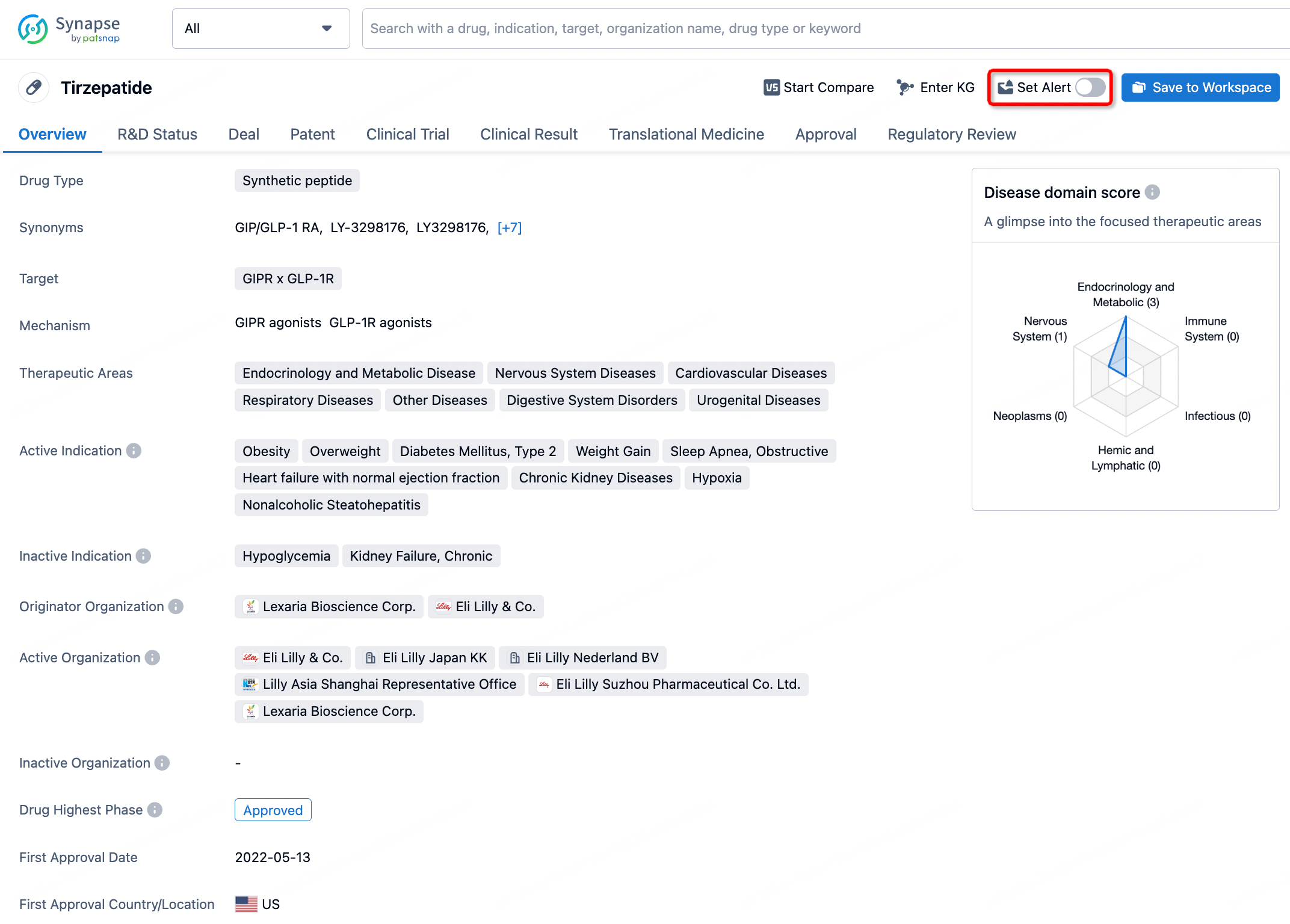
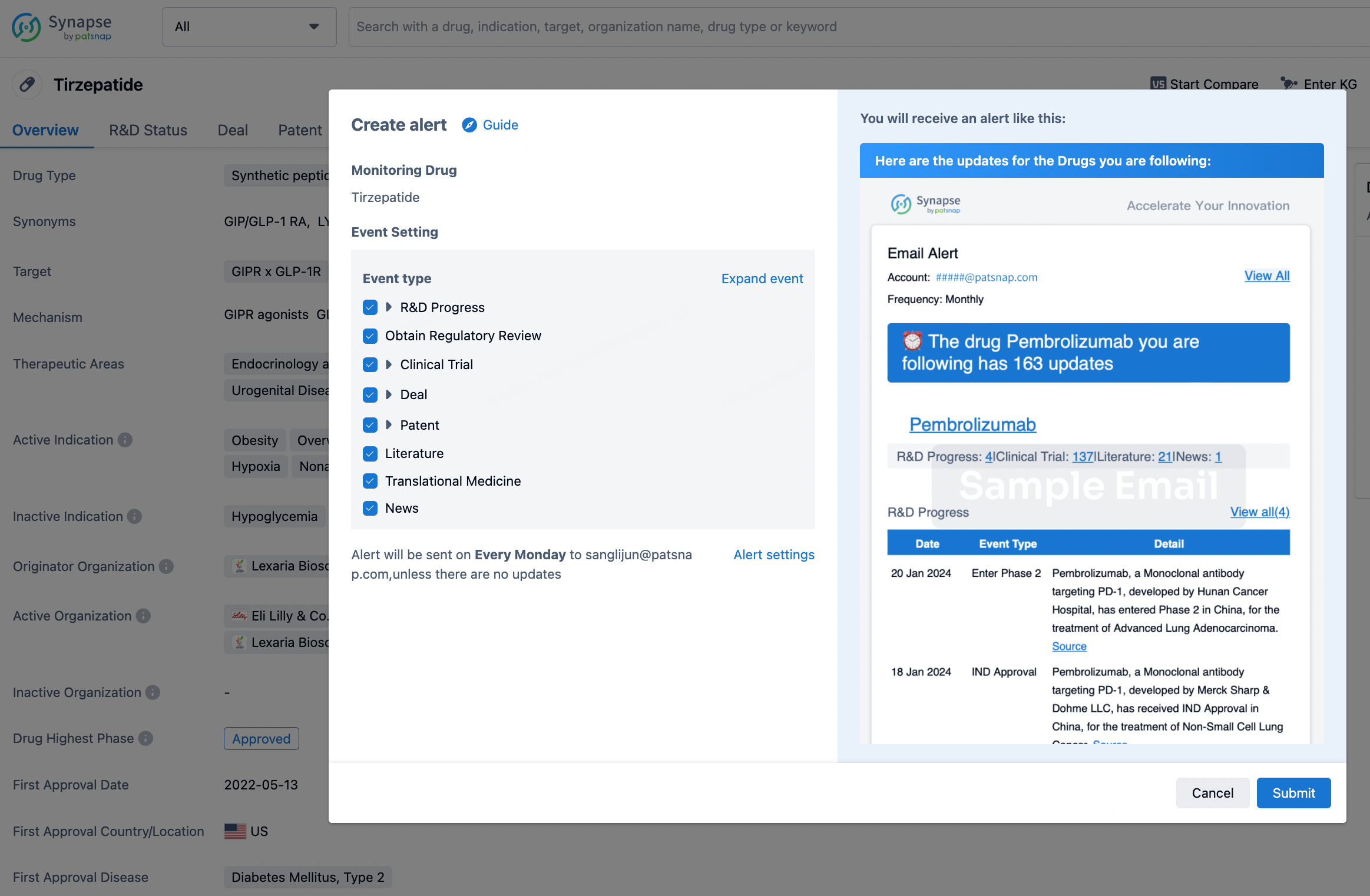
In the Synapse database, you can stay updated on the latest research and development advances of all drugs. This service is accessible anytime and anywhere, with updates available daily or weekly. Use the "Set Alert" function to stay informed. Click on the image below to embark on a brand new journey of drug discovery!

AI Agents Built for Biopharma Breakthroughs
Accelerate discovery. Empower decisions. Transform outcomes.
Get started for free today!
Accelerate Strategic R&D decision making with Synapse, PatSnap’s AI-powered Connected Innovation Intelligence Platform Built for Life Sciences Professionals.
Start your data trial now!
Synapse data is also accessible to external entities via APIs or data packages. Empower better decisions with the latest in pharmaceutical intelligence.