What is Vorinostat used for?
Vorinostat, also known by its trade name Zolinza, is a novel medication primarily used in the treatment of cancer, specifically cutaneous T-cell lymphoma (CTCL). It has emerged as a significant therapeutic agent thanks to its unique mechanism of action and targeted approach. Vorinostat belongs to a class of drugs known as histone deacetylase (HDAC) inhibitors. These drugs work by interfering with the function of HDAC enzymes, which play a crucial role in the regulation of gene expression by removing acetyl groups from histone proteins.
Research into Vorinostat has been extensive, involving several prestigious institutions and research bodies. The drug was developed by Merck & Co., Inc., and received FDA approval in 2006 for the treatment of CTCL in patients who have progressive, persistent, or recurrent disease on or following two systemic therapies. Since its approval, there have been continuous efforts to explore its efficacy in other cancer types and conditions, with ongoing clinical trials and studies aimed at broadening its therapeutic applications.
Researching Vorinostat beyond the basics?
Synapse Hiro LS Researcher, the Synapse AI Insight Engine, is built to accelerate biopharma decisions. Search across billion-scale life sciences data to uncover signals, validate evidence, and act with confidence. Explore Vorinostat with Hiro LS Researcher →

Vorinostat's mechanism of action is rooted in its role as an HDAC inhibitor. HDACs are enzymes involved in the removal of acetyl groups from histone proteins, leading to a closed chromatin structure and suppression of gene transcription. By inhibiting HDAC, Vorinostat causes an accumulation of acetylated histones, resulting in an open chromatin structure that promotes the transcription of genes that inhibit cell cycle progression and induce apoptosis (programmed cell death). This process is particularly important in cancer treatment, as many tumors are characterized by the dysregulation of genes controlling cell proliferation and survival.
Additionally, Vorinostat affects other cellular proteins by acetylation, contributing to its anti-cancer effects. It can induce cell cycle arrest at the G1 phase and promote apoptosis of cancer cells. Moreover, Vorinostat has been shown to inhibit angiogenesis, the process by which new blood vessels form from pre-existing vessels, which is critical for tumor growth and metastasis. Its multifaceted mechanism makes it a potent agent against malignancies that are resistant to conventional therapies.
Vorinostat is administered orally in the form of capsules. The typical dosage is 400 mg once daily, and it can be taken with or without food. The onset time for Vorinostat's therapeutic effects can vary depending on the individual and the specific condition being treated. For patients with CTCL, clinical improvement may be observed within a few weeks to a few months of starting the treatment. Regular monitoring and follow-up appointments are necessary to assess the patient's response to the therapy and adjust the dosage if needed.
It is important to adhere strictly to the prescribed dosage and administration schedule to achieve the best possible outcomes with Vorinostat. Missing doses or discontinuing the medication without consulting a healthcare provider can lead to suboptimal results and potentially worsen the condition. Patients should swallow the capsules whole, without chewing, crushing, or breaking them, to ensure proper absorption and effectiveness.
As with any medication, Vorinostat comes with its own set of side effects and potential contraindications. Common side effects include fatigue, gastrointestinal disturbances (such as nausea, vomiting, diarrhea, and loss of appetite), thrombocytopenia (low platelet count), and anemia. These side effects are generally manageable and can often be mitigated with supportive care and dose adjustments. However, some patients may experience more severe adverse reactions, including deep vein thrombosis, pulmonary embolism, and cardiac arrhythmias. It is crucial to report any unusual or severe symptoms to a healthcare provider promptly.
Contraindications for Vorinostat use include known hypersensitivity to the drug or its components, as well as severe hepatic impairment. Caution is advised when prescribing Vorinostat to patients with a history of cardiovascular disease, as it can exacerbate certain conditions. Additionally, because Vorinostat can cause fetal harm, it is contraindicated in pregnant women, and effective contraception must be used by women of childbearing potential during treatment and for a period after the last dose.
The interaction of Vorinostat with other drugs can significantly influence its efficacy and safety profile. It is metabolized in the liver, primarily by glucuronidation and, to a lesser extent, by cytochrome P450 enzymes. As a result, co-administration with drugs that inhibit or induce these metabolic pathways can alter Vorinostat's plasma concentration. For instance, strong CYP3A4 inhibitors (such as ketoconazole and ritonavir) can increase Vorinostat levels, potentially raising the risk of adverse effects. Conversely, CYP3A4 inducers (like rifampin and phenytoin) can decrease its levels, reducing its therapeutic efficacy.
Patients should inform their healthcare provider of all medications they are currently taking, including over-the-counter drugs, supplements, and herbal products, to avoid potential drug interactions. Some medications, such as warfarin (a blood thinner), may require close monitoring and dose adjustments when used concurrently with Vorinostat due to the increased risk of bleeding. Additionally, combining Vorinostat with other medications that prolong the QT interval (such as certain antiarrhythmics, antipsychotics, and antibiotics) should be approached with caution, as this can heighten the risk of cardiac arrhythmias.
In conclusion, Vorinostat is a promising HDAC inhibitor with a well-defined mechanism of action that offers therapeutic benefits for patients with CTCL and potentially other malignancies. Its administration requires careful monitoring and adherence to prescribed guidelines to ensure efficacy and minimize adverse effects. Understanding the potential side effects, contraindications, and drug interactions is essential for optimizing treatment outcomes and enhancing patient safety. As research continues, Vorinostat's role in oncology may expand, providing hope for patients with various types of cancer.
Continue your Vorinostat research with Synapse Hiro LS Researcher
This article provides an overview. For a broader research view, use Synapse Hiro LS Researcher—the Synapse AI Insight Engine—to search across drugs, targets, indications, clinical trials, literature, organizations, news, deals, and competitor signals. Ask any biopharma research question in natural language.

Questions to explore:
- What approved and investigational uses have been reported for Vorinostat?
- What is the mechanism of action of Vorinostat, and which targets or pathways are involved?
- Which clinical trials are evaluating Vorinostat, and what outcomes have been reported?
- What patents, publications, and regulatory sources provide the latest evidence on Vorinostat?
Ask Synapse Hiro LS Researcher →
AI may make mistakes. Check important info.
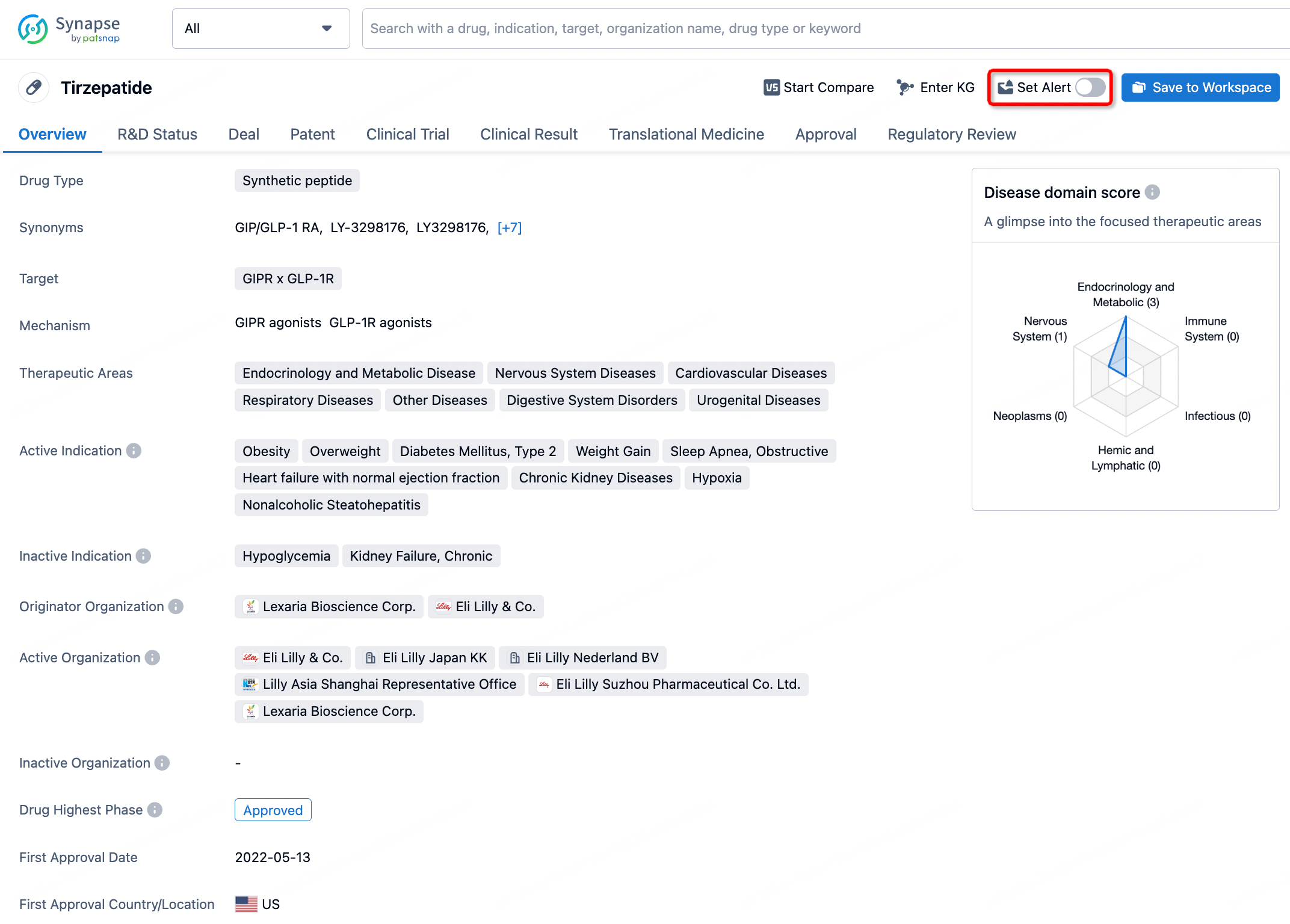
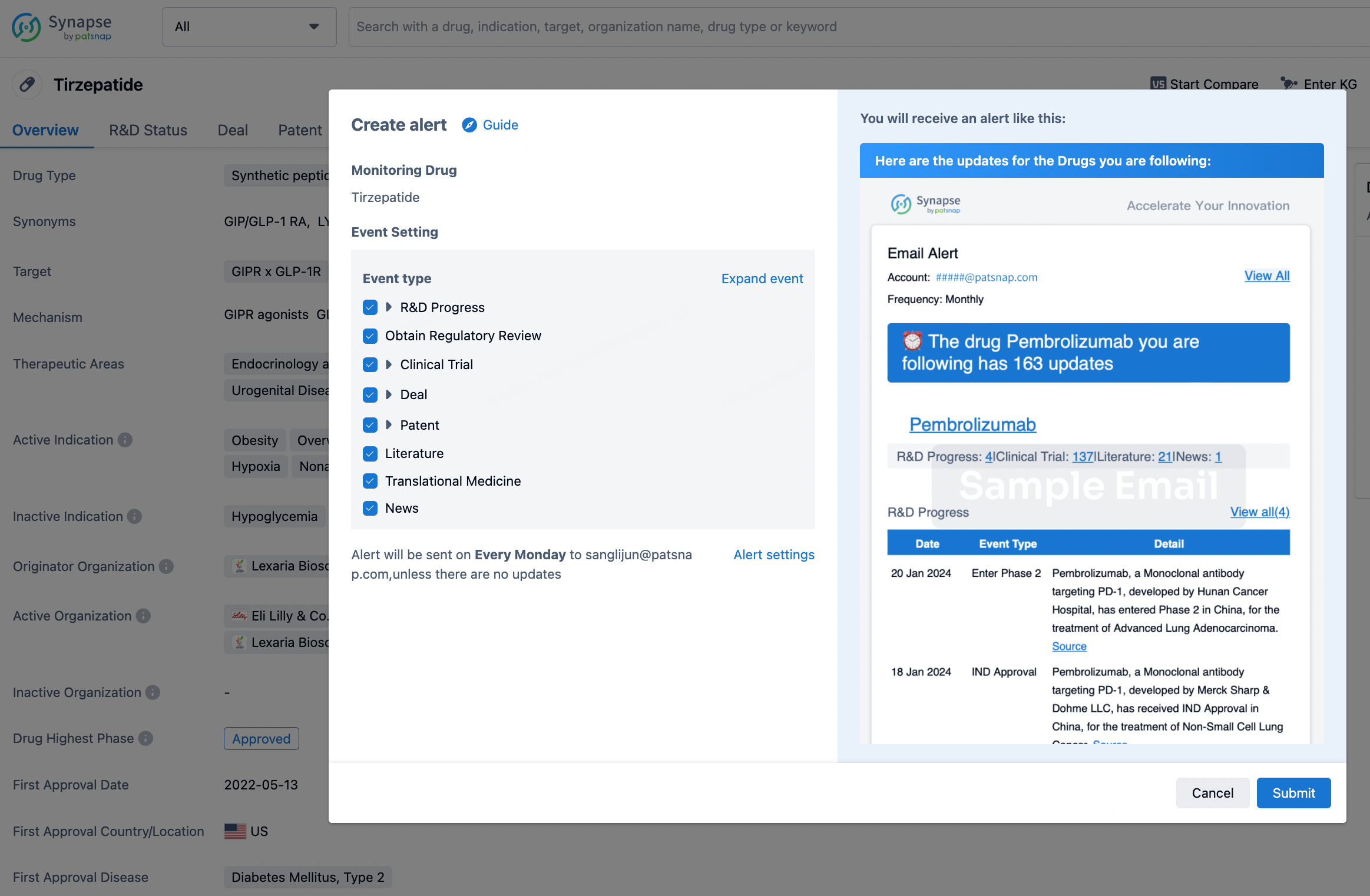
How to obtain the latest development progress of all drugs?
In the Synapse database, you can stay updated on the latest research and development advances of all drugs. This service is accessible anytime and anywhere, with updates available daily or weekly. Use the "Set Alert" function to stay informed. Click on the image below to embark on a brand new journey of drug discovery!